Welcome to the Corteva™ Agriscience
Forage Agronomy Update
These regular technical notes come with CPD points and will help those interested in improving grassland and forage productivity on dairy, beef, sheep and equestrian enterprises. We post frequently on our social media channels, so you’ll want to make sure you’re following @CortevaUK on X and Facebook.
|
|
|
Effective dock control between silage cuts with ProGrass™ | Getting on top of Ragwort | How to manage Thistles this season | Critical success factors for newly sown ley weed control | Principal® Forte a complete solution for maize weed control | Instinct® in Maize Herbicide Programmes | BlueN™ - supporting nitrogen efficiency in maize as crops enter rapid growth | Kinsidro® Grow+ - Supporting early maize growth as crops build momentum | Choosing the right Pioneer® silage inoculant for second-cut grass in 2026 | FAQs | Contact us | BASIS and NRoSO points
|
|
|
|
Effective dock control between silage cuts with ProGrass™
|
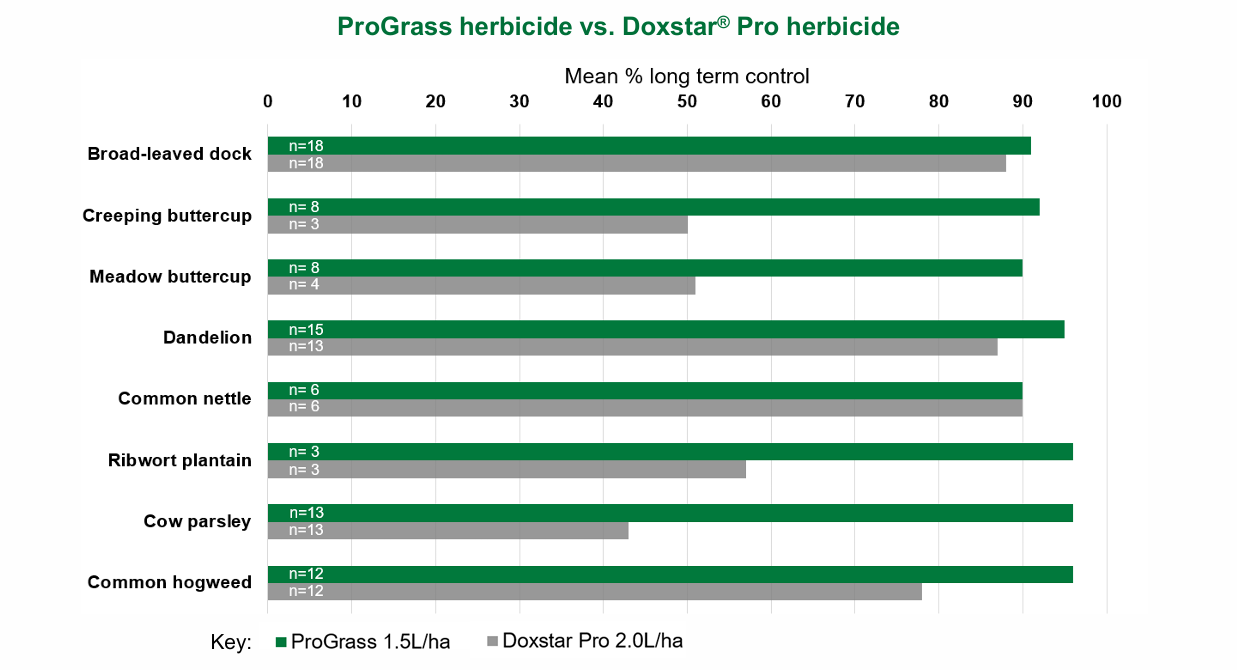
For effective dock control between silage cuts, it’s essential to allow sufficient regrowth before spraying so that weeds can actively take up the herbicide. Where cutting intervals are tight, ProGrass is particularly well suited, thanks to its rapid activity and short 7-day cutting interval - making it quicker than alternatives such as Doxstar® Pro and ideal for managing time-sensitive silage systems.
In addition to strong dock control, ProGrass delivers a wider weed spectrum, effectively tackling common problem weeds including nettles, buttercups and dandelions.
For best results, apply at 1.5 l/ha when docks are at the rosette stage (up to 250 mm in height or diameter) and before flowering. ProGrass also allows a 7-day grazing interval (in the absence of ragwort), offering flexibility for both cutting and grazing systems.
Our Best Practice Guidelines for ProGrass are available here.
|
|
Getting on top of Ragwort
|
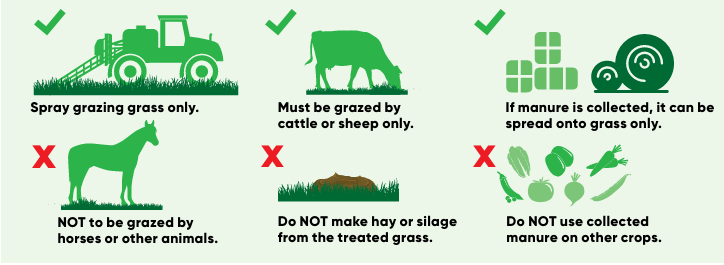
Ragwort is highly toxic to livestock, particularly when it is wilted, damaged, or dead. As it is classified as an injurious weed, it must not be allowed to spread or set seed. Forefront® T is the most effective approach in grazing fields for cattle and sheep, applied at 2.0 l/ha when plants are young, actively growing, and at the rosette stage up to 200 mm in height.
Timing is critical, with May and June offering the best window for treatment. Compared with mechanical topping which can be costly and often fails to control younger plants, spraying provides a more reliable and comprehensive solution. Forefront T works quickly and controls a wider range of common weeds typically present in grazing fields. Following application, livestock must be kept out of treated areas until any ragwort has fully recovered or died and there is no visible sign of the dead weed.
Farmers should also avoid cutting forage where ragwort is present to prevent contamination. In September 2025, Natural England stopped accepting new 1959 Weeds Act related complaints, meaning official action could no longer be triggered. This was widely criticised because it effectively removed a mechanism to compel neighbours to control weeds covered by the act such as ragwort. Following pressure, Natural England has reinstated this enforcement from 1 April 2026, reopening the complaints process. This means that where ragwort poses a risk and spreads, complaints can again trigger official action requiring control, reinforcing the importance of proactive management.
Click here to view our Forefront T Best Practice Guides.
|
|
How to manage Thistles this season
|
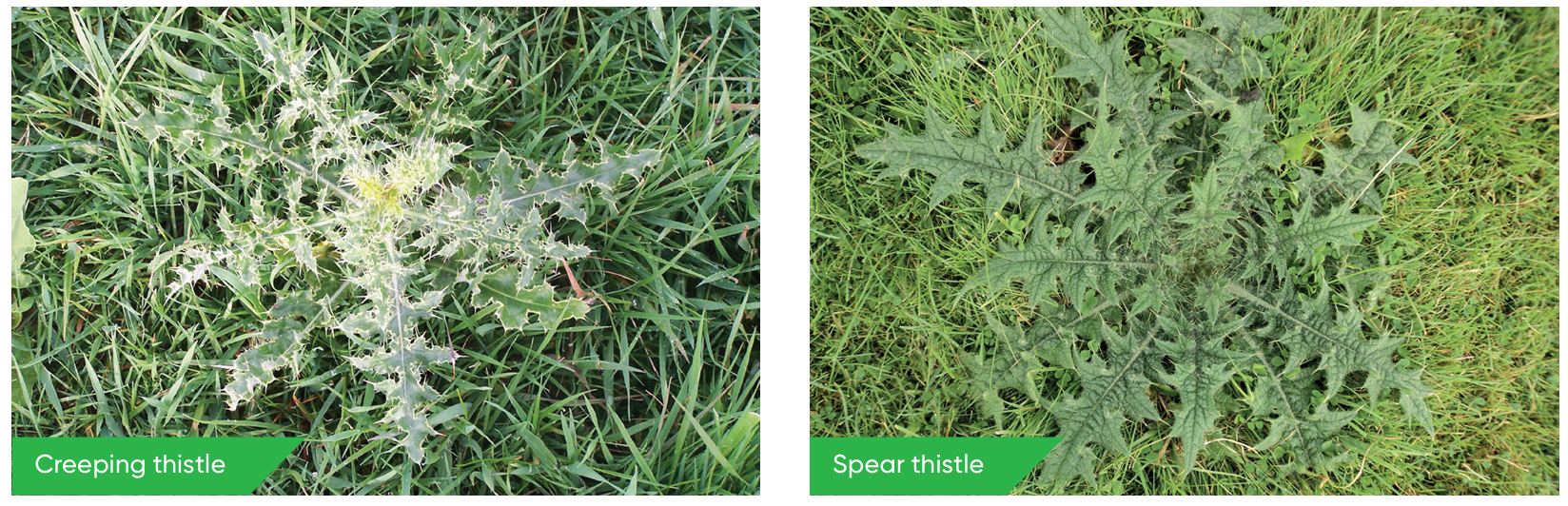
Creeping thistle and spear thistle are the two main species, and both can be effectively controlled with the new Thistlex® Pro.
Thistlex Pro applied at 1.67 l/ha can be applied when weeds are actively growing prior to flowering and between 150 mm and 300 mm in height or diameter. Timely treatment is key, as allowing thistles to flower can result in reduced levels of control and seeding. Avoid treating stressed weeds, as poor growth will limit herbicide uptake and movement to the roots. It could also cause an apical dominance effect in creeping thistle which will cause the roots to grow additional plants.
Thistlex Pro also controls a range of other weeds commonly found in grazing fields, including buttercups, dandelions, hogweed, and parsley. While buttercups can still be effectively treated at flowering, care should be taken to protect pollinators by spraying early in the morning or later in the evening. The product has a 14-day grazing interval in the absence of ragwort, making it suitable for use within grazing systems.
|
|
Critical success factors for newly sown ley weed control
|
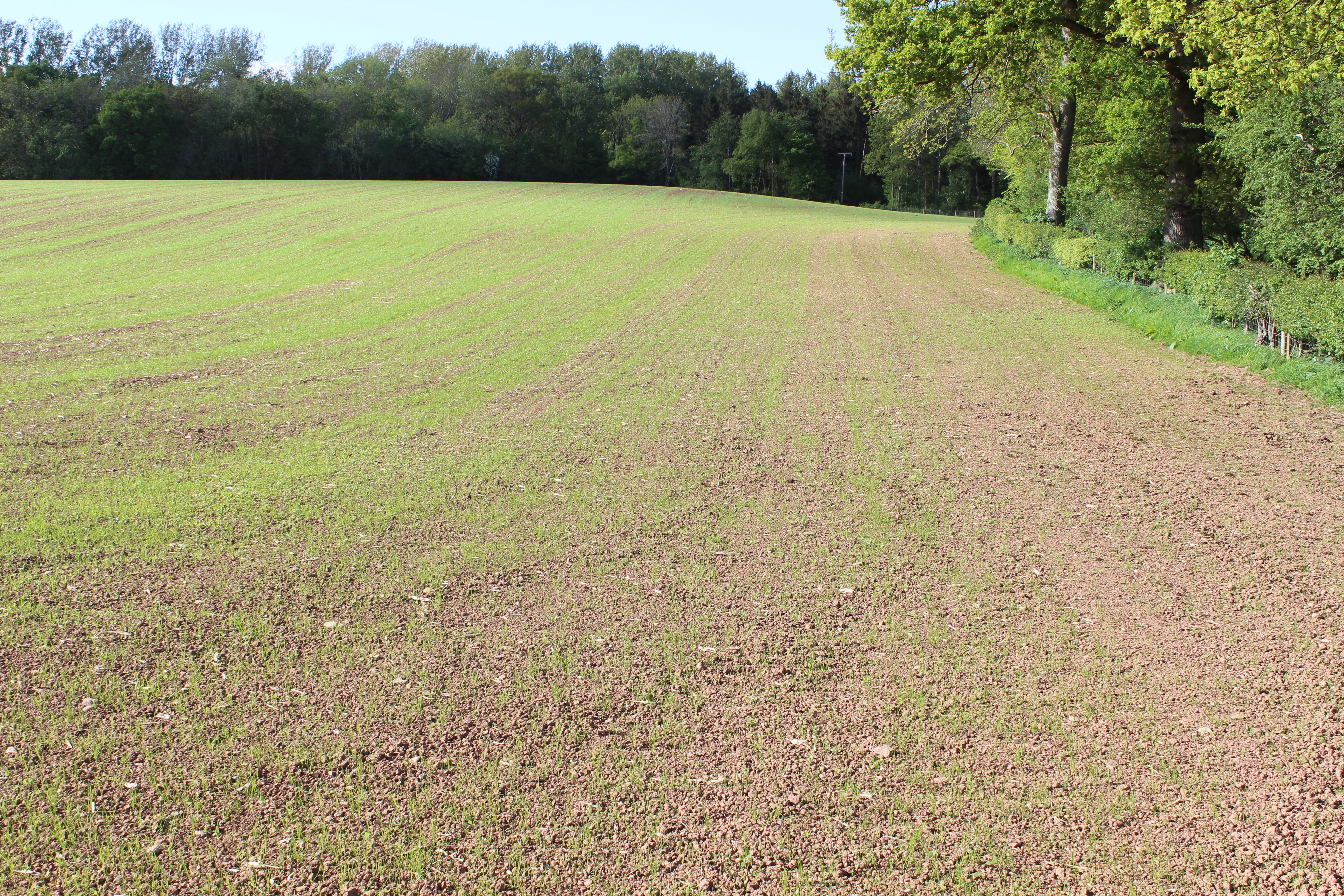
Successful weed control in newly sown leys starts with regular monitoring to identify any infestations early. Tackling weeds at the seedling stage is essential, as smaller plants are far more susceptible to herbicides and are both easier and cheaper to control than more mature weeds. Attention should be paid to common problem species such as chickweed, docks, and thistles, although other weeds including mayweed, shepherd’s purse, annual meadow-grass, redshank, and pansy may also be present.
|
|
Selecting the right product and timing based on weed pressure and sward composition will ensure the best establishment and long-term performance of the ley. A range of herbicide options are available for use in new leys. See below.
|

|
Principal® Forte - a complete solution for maize weed control
|
Principal Forte provides a comprehensive solution for weed control in both forage and grain maize, delivering excellent control of a wide spectrum of grass and broad-leaved weeds. Key targets include fat hen, bindweeds, common amaranth, groundsel and mayweed as well as a whole range of grass weeds including ryegrass and barnyard grass alongside many other species commonly found in maize crops. Its three active ingredients ensure broad-spectrum activity, while its rapid contact action delivers consistent and reliable weed control even in drier conditions, where it has proven itself over recent seasons without selectivity issues. The isoxadifen safener in the formulation acts on enzymes in the maize plant ensuring that the chemistry is metabolised rapidly giving a healthier, more rapid growing plant.
Mesotrione makes a useful tank mix partner where troublesome weeds get particularly large. If used in tank mix with mesotrione, then no adjuvant is required.
For best results, applications should target small, actively growing weeds, ideally before the maize crop reaches the 6-leaf stage to ensure weeds are still at the seedling stage. Principal Forte should be applied at 480 g/ha plus an adjuvant, using either a 95% w/w oil-based product such as Codacide or Vivolt at 0.2% v/v. It can be applied from the 2 to 9 leaf stage of the crop between 1 May and 31 July. Principal Forte offers a reliable and flexible option for maize growers looking to optimise weed control.
|
Instinct® in maize herbicide programmes
|
As maize crop establishment continues, late May remains an excellent opportunity to include Instinct in pre‑ or early post‑emergence herbicide applications. It can be applied alongside approved maize herbicides, allowing growers to protect applied nitrogen without the need for additional field passes. Instinct works by slowing the conversion of ammonium to nitrate, helping to retain more nitrogen within the root zone during the critical period of maize demand through early summer. This function becomes particularly important as soil temperatures rise and nitrification rates increase, heightening the risk of nitrogen loss just as crop uptake begins to accelerate.
When applied with pre‑emergence herbicides, rainfall incorporation effectively meets the requirements of both the herbicide and Instinct, simplifying application management. Instinct is compatible with a wide range of maize herbicides, although growers should always consult the latest Corteva tank mix recommendations and adhere to individual product labels. Including Instinct in late May maize programmes helps safeguard nitrogen investment, supports efficient crop nutrition, and contributes to reducing nitrogen losses to both water and air, all while integrating seamlessly into existing herbicide timings.
|

|
BlueN™ - supporting nitrogen efficiency in maize as crops enter rapid growth
|
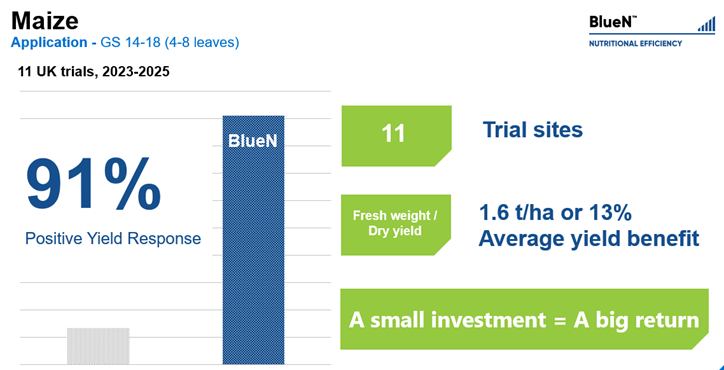
As maize crops move through the 4–8 leaf stage and into rapid vegetative growth, nitrogen demand increases sharply. BlueN provides an additional, in‑plant source of nitrogen to help support crop momentum during this critical period.
BlueN is a nutrient‑efficiency biostimulant containing Methylobacterium symbioticum. Once applied to an actively growing crop, it colonises the leaf and helps maintain nitrogen availability through key growth phases.
Why apply BlueN to maize now?
- Targets the establishment → rapid growth window (GS14–18), when nitrogen demand accelerates
- Supports nitrogen availability within the plant, complementing applied fertiliser programmes
- One timely application to support crop consistency and yield potential through the season
Across UK and European maize trials, BlueN has delivered consistent improvements in dry matter yield and forage performance in the majority of situations, when applied under suitable growing conditions.
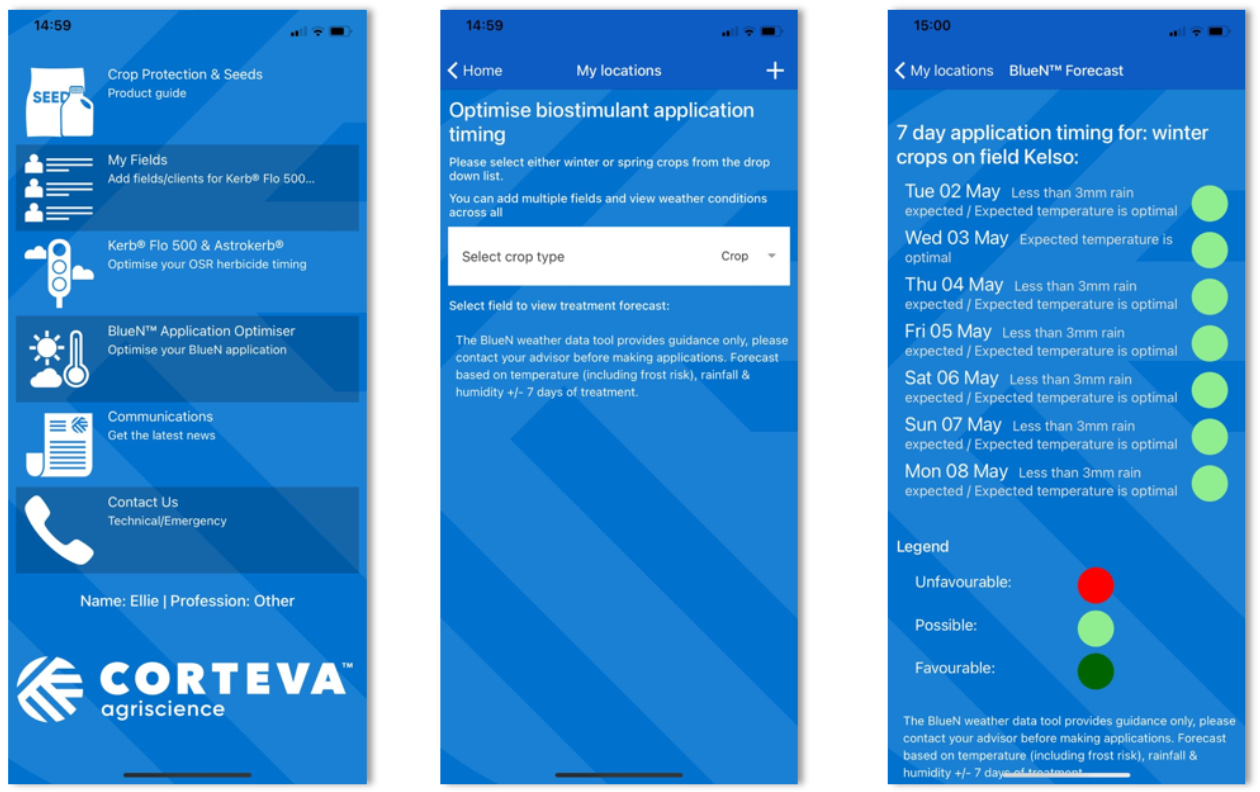
- Identify optimal temperature windows
- Reduce risk from cold nights and heat stress
- Support better colonisation and more reliable outcomes
|
|
Kinsidro® Grow+ - supporting early maize growth as crops build momentum
|
As maize crops move through the 2–6 leaf stage and enter rapid early growth, maintaining crop vigour and stress tolerance is critical. With variable weather continuing including colder nights and increasing crop stress, Kinsidro Grow+ supports plant metabolism at this key stage, helping crops establish strongly and build biomass.
Kinsidro Grow+ is a metabolic biostimulant containing a high ratio of fulvic and humic acids (62% fulvic fraction), bonded with essential macro‑ and micronutrients. Applied at a low rate, it enhances physiological processes within the plant, supporting early growth and resilience.
Why include Kinsidro Grow+ in maize now?
- Supports root, shoot and leaf development during early establishment
- Improves nutrient uptake efficiency by chelating and mobilising key nutrients within the plant
- Helps crops tolerate early‑season stresses such as cool nights, dry conditions and herbicide pressure
- Encourages biomass and dry‑matter potential as crops transition into rapid vegetative growth
UK replicated maize trials have shown improvements in fresh and dry‑matter yield when Kinsidro Grow+ is applied at early leaf stages under appropriate conditions.
|
|
Choosing the right Pioneer® silage inoculant for second-cut grass in 2026
|
Planning second-cut grass silage and unsure which Pioneer inoculant best fits your conditions this season?
Use the Pioneer inoculant decision tree alongside the product summaries below to match the inoculant to your grass dry matter, sugar levels and likely ensiling challenge. For full guidance on the current range, visit our website.
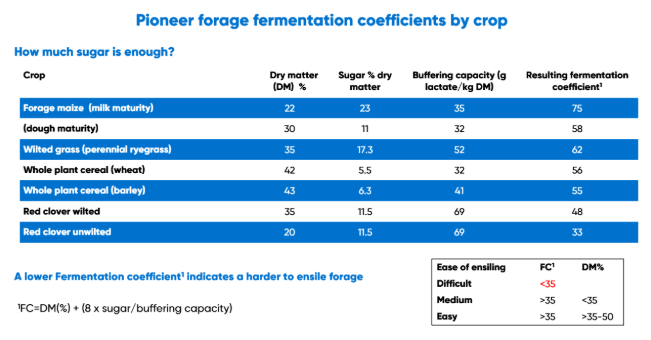
Before deciding, always check silage coefficients for the forage being cut to understand how challenging fermentation and aerobic stability are likely to be.
|
|
Designed for more difficult early or leafy second-cut grass silage. Best suited to wetter grass silage (below ~30% DM) and low-sugar situations, where fast acidification is critical. 1188 contains complementary, proprietary lactic acid bacteria that work together to drive a rapid and efficient pH drop, helping to protect dry matter and preserve forage quality.
A strong choice where aerobic stability is a priority. In addition to fast pH reduction, the Rapid React Lactobacillus buchneri strains allow aerobic stability to be achieved in as little as 7 days after sealing, significantly reducing heating risk compared with non-RR formulations. Well suited to higher dry matter grass, slower feed-out or warmer conditions.
Pioneer 11G22 RR – Organic formulation
Certified for organic producers, with the same fermentation and aerobic stability benefits as the 11G22 RR formulation.
Please note: shelf life is one year from the date of manufacture. Always specify 11G22 RR – Organic use when ordering.
A triple-action solution for grass silage. Improves fermentation efficiency, aerobic stability, and fibre digestibility. Contains patented microbial technology that produces ferulate esterase enzymes during fermentation, helping unlock fibre and support improved animal performance from grass silage.
Targeted at high dry matter grass silages where heating risk is high. Particularly effective where challenges include longer chop lengths, summer cuts, slower feed-out rates or lower compaction, all of which increase the risk of aerobic instability. Uses powerful Pioneer Lactobacillus buchneri strains to help suppress yeasts and moulds and minimise heating at feed-out. Also available in a Rapid React formulation.
|

|
|
|
A: Yes, it’s a label weed. The best time to apply it is June-August when the gorse is actively growing. If the gorse is large now, we suggest cutting it back and then spraying once there’s some regrowth.
Q: Can Grazon Pro be applied through a boom sprayer?
A: No, the label approval is for knapsack spot treatment only using the dilution rate of 60 mls Grazon Pro in 10 litres water.
Q: Is Activator 90 suitable as an adjuvant to use with ProClova?
A: No. Only XL adjuvant is registered to be used in grassland with ProClova® XL at label rates. Also, ProClova is only registered to be used in conjunction with XL.
Q: How soon after applying ProClova XL can grass be reseeded to thicken the sward and fill the gaps left by the dying docks?
A: Grass can be reseeded 6 weeks after applying ProClova XL. Bear in mind that the product can take up to 3 weeks to work on the weeds which can take longer in dry conditions.
|
Come and see the team at these events
|
Join us at the following upcoming events where you can connect with our team, discover the latest insights in forage and grassland, and learn more about our new solutions.
|
|
|
Click here to find the contact details of your local forage specialist.
|

|
|
|

|
USE PLANT PROTECTION PRODUCTS SAFELY. Always read the label and product information before use. For further information including warning phrases and symbols refer to label. ®™ Trademarks Corteva Agriscience Limited and its affiliated companies. All other brand names are trademarks of other manufacturers for which proprietary rights may exist. All manufacturers trade names and trademarks are duly acknowledged. © 2026 Corteva. ProGrass™ contains triclopyr-2-butoxyethyl ester. Doxstar® Pro contains fluroxypyr and triclopyr. Forefront® T contains aminopyralid and triclopyr. Thistlex® contains clopyralid and triclopyr. Leystar® contains fluroxypyr, clopyralid and florasulam. ProClova® XL contains florpyrauxifen-benzyl and amidosulfuron. Principal® Forte contains nicosulfuron, rimsulfuron, dicamba and isoxadifen. Instinct® contains nitrapyrin. BlueN™ contains Methylobacterium symbioticum. Kinsidro® Grow+ contains fulvic Acid, humic acid, potassium oxide (10%), sodium oxide (3.75%), sulfur trioxide (6.25%), boron (0.04%), cobalt (0.04%), copper (0.04%), manganese (0.04%), molybdenum (0.005%), zinc (0.05%). Grazon® Pro contains clopyralid and triclopyr.
 | | | | |