Growers are reminded not to overlook the importance of early-season weed control in cereals.
Despite a cold and wet start to the new year, residual herbicides were applied early, in warm, dry conditions last autumn, and are therefore likely to lose efficacy sooner than expected.
With residual chemistry running out of steam and spells of mild weather encouraging continued weed emergence, timely intervention will be critical.
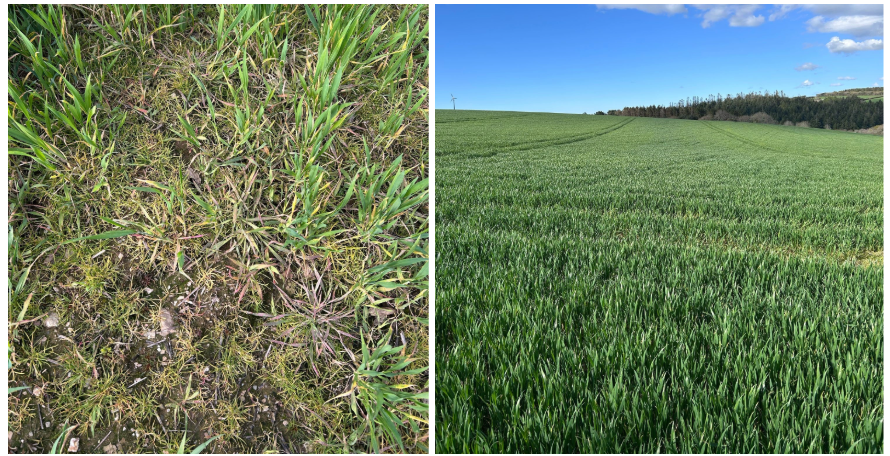
Weed pressure is currently variable across the country. Fields that missed residuals are showing significant populations of ryegrass, bromes, wild oats and annual meadow grass, and should be prioritised once conditions are suitable.
Even in cleaner fields, where residuals were applied, new flushes of bromes, ryegrass, wild oats, and challenging broad‑leaved weeds are already breaking through as residual persistence declines and soil disturbance from recent weather stimulates further germination.
Close monitoring is essential as residual activity falls, grass weeds and broad-leaved weeds must be controlled early to prevent yield loss.
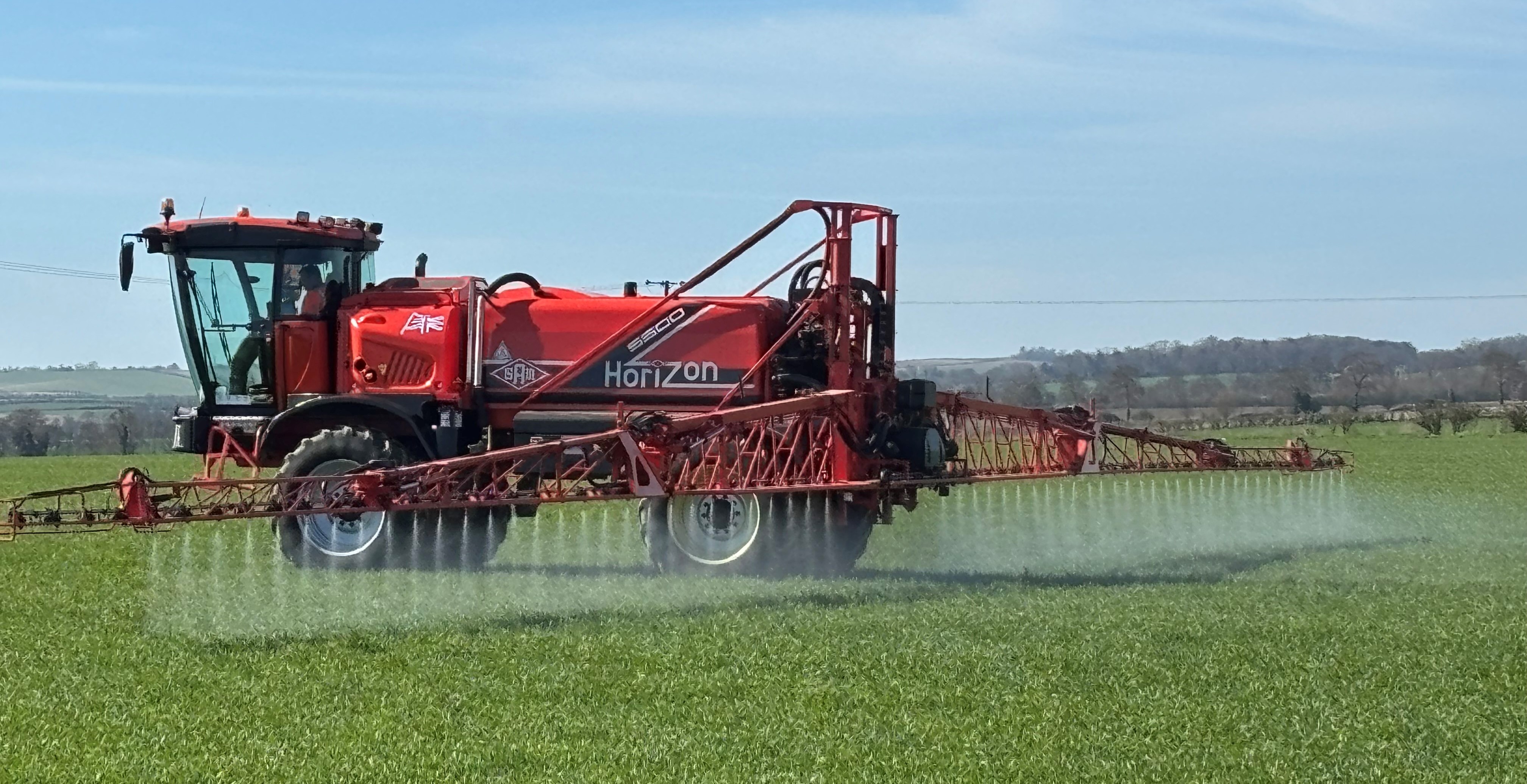
Conditions may be difficult today, but spray windows can appear quickly at this time of year. Early applications, when weeds are small and actively growing, is often the most effective strategy for best results. Growers should be prepared to treat fields at the earliest opportunity when fields are travelable and weeds are actively growing.
To help tackle these challenges, we launched Broadway® Ultra in 2025. The product combines two of the most effective grassweed herbicides, pyroxsulam and mesosulfuron-methyl, enabling arable farmers to control a wide spectrum of grass and broad-leaved weeds in a single pass.
Broadway Ultra applied at 100g/ha delivers 14 grams of each active per ha, in an easy to use, wettable granule.
Growers will know that pyroxsulam provides excellent grass and broad-leaved weed control, but there is also a synergistic effect with the mesosulfuron, which brings in control of chickweed, sow thistle, shepherd’s purse and meadow grass. Good control of rat’s tail fescues has also been reported.