
|
In the April edition:
- T1 fungicide decisions: building septoria control and protecting yield
- Arylex: the smart choice for spring weed control
- Corteva biologicals: supporting crop performance this spring
- Protecting nitrogen efficiency as crop demand rises
- Weed control priorities in sugar beet this spring
- Potato planting progress and weed management considerations
- Pioneer winter oilseed rape hybrid range
- News and views from the Corteva team
- Update your communication preferences, enter our monthly prize draw, plus ways to earn BASIS & NRoSO points
|
|
|
T1 fungicide decisions:
building septoria control and protecting yield
With T0 sprays now applied where planned, rust pressure is likely to have been reduced, but septoria is unlikely to have been significantly affected by the T0. Weather is set to remain showery in many areas, and with an established disease base coming out of winter, it is important to plan a hard‑hitting T1 fungicide capable of tackling septoria effectively, while also reinforcing the rust protection already laid down where a T0 has been applied.
Where no T0 was used, curative rust activity may still be required, and therefore the additional curative activity gained by including tebuconazole is likely to be beneficial.
With this in mind, Univoq™ at 1.1-1.25 l/ha is being widely discussed as a favoured T1 option, particularly where it is not already planned for T2. Containing Inatreq™ active, Univoq delivers hard‑hitting control of all septoria strains, with no known resistance, alongside powerful rust protection.
Inatreq’s long‑lasting septoria activity will also prove beneficial if the T2 timing is delayed, providing protection well beyond the 3-4 weeks typically offered by other T1 options. Univoq also contains prothioconazole, which further enhances rust activity and provides control of a broad range of other diseases, including stem‑based diseases such as eyespot.
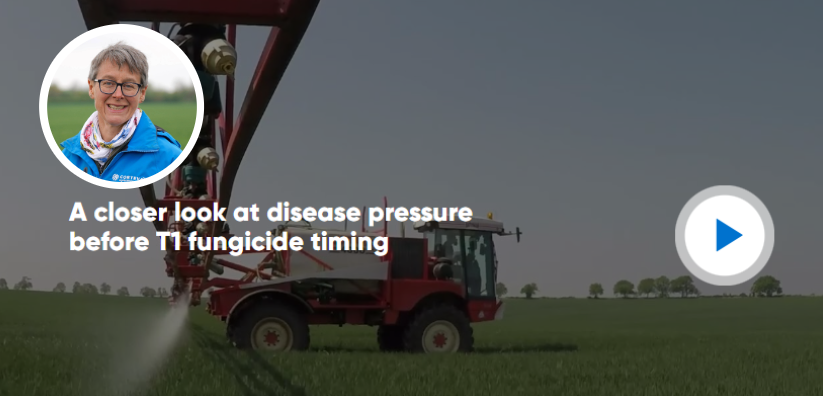
Watch the video with Sally Harris, Technical Manager at Corteva, to learn more:
|
|
|
|
Arylex: the smart choice for spring weed control
Most broad-leaved weed herbicides need warm conditions to work best. Wide temperature variations and dry conditions do not favour sulfonylurea or phenoxy chemistry that may struggle to achieve reliable control early in the spring, especially on larger weeds such as cleavers or poppies, and those that may be resistant to ALS chemistry.
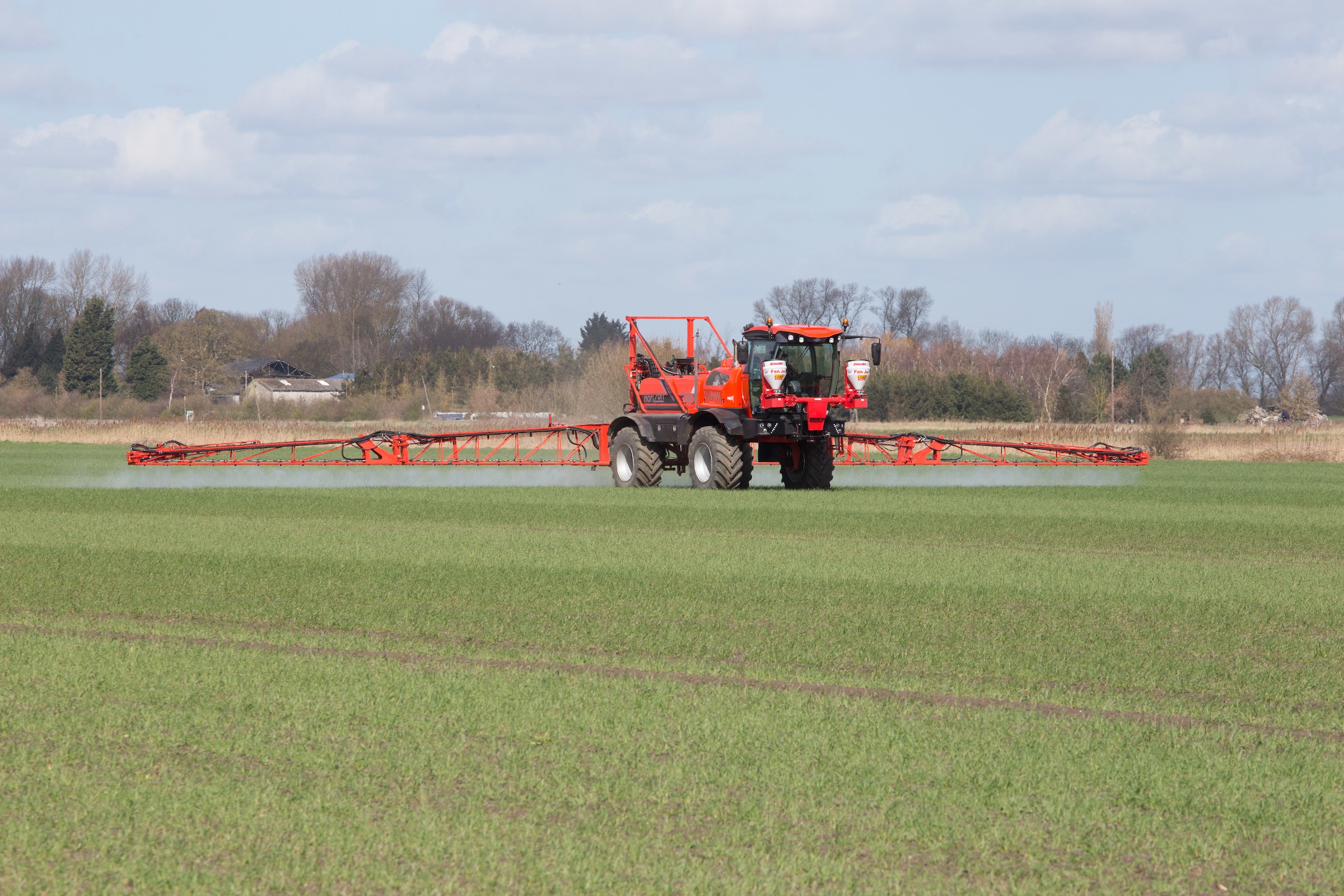
Arylex™ is a unique molecule, and its characteristics make it a vital building block for any broad-leaved weed programme in winter and spring cereals. Its ability to perform extremely well in cold and fluctuating temperatures, excellent crop safety, wide application window up to GS45, dose rate flexibility, excellent tank mix compatibility, and a unique mode of action offering an anti-resistance management strategy for specific species such as ALS resistant poppies, make it the backbone of any spring broad-leaved weed herbicide programme.
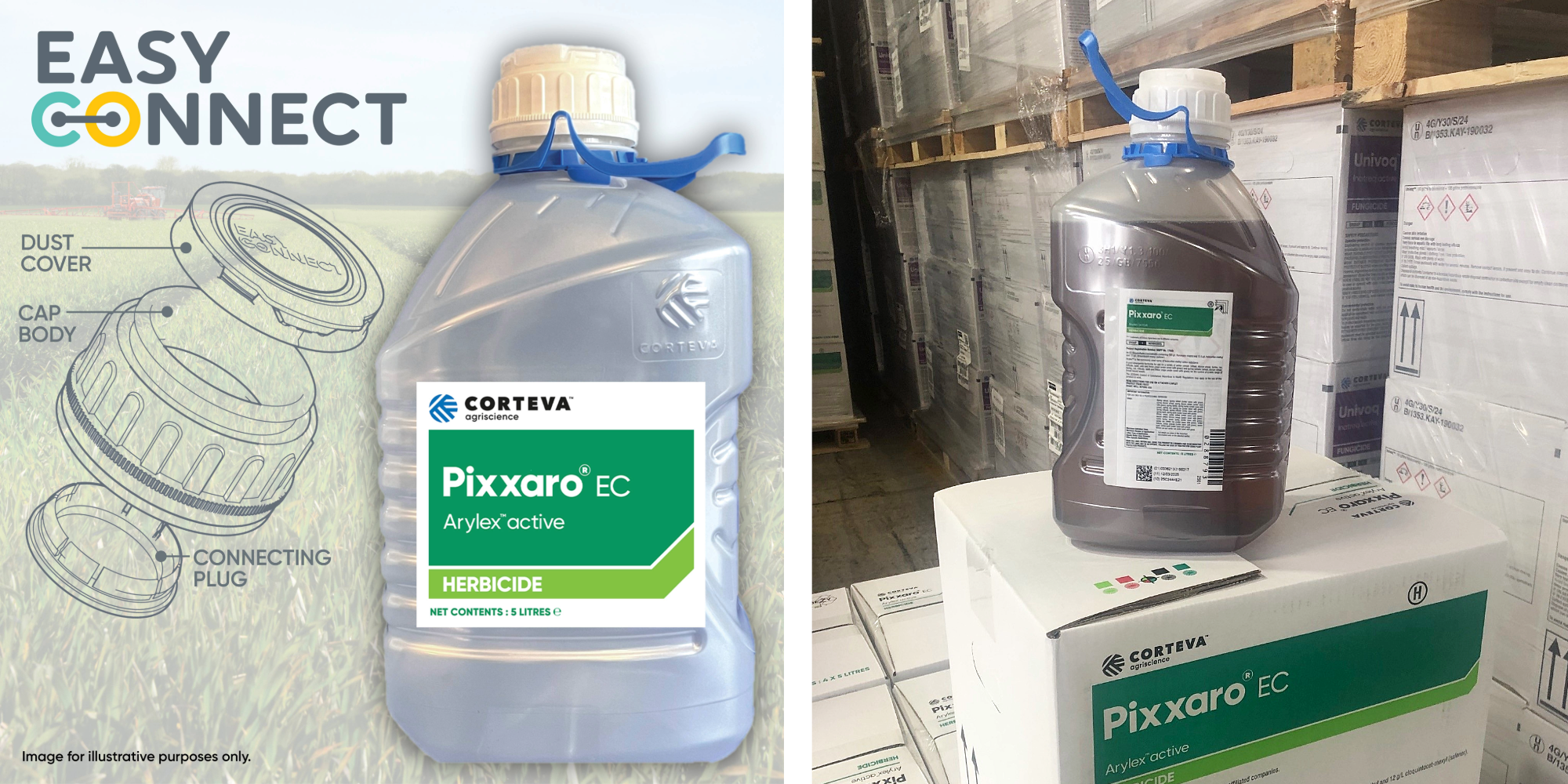
Arylex can be found in products such as Zypar® and Pixxaro®. These can be used in winter and spring cereals, including winter oats and crops undersown with grass, controlling cleavers, cranesbill, chickweed, mayweed, fat hen, fumitory and charlock.
|
|
To get the best out of Arylex in winter cereals:
- Apply early in sequence or tank mix with a graminicide to take out all remaining weeds in a single pass.
- For clean-up of later flushes of cleavers and black bindweed on other cereals, mix in with the T1 or T2 fungicide.
To get the best out of Arylex in spring cereals:
- Where no residual chemistry is used for broad-leaved weeds, Arylex is a great broad-spectrum option.
- To get ahead of weeds such as fumitory and cleavers, tank mixing with PGR’s, fungicides, or trace elements can help reduce the number of applications.
|
|
|
|
Corteva biologicals: supporting crop performance
this spring
Corteva's biological products are designed to complement established agronomy programmes, helping crops perform through variable spring conditions while supporting nutrient‑use efficiency and plant resilience.
BlueN™ - enhancing nitrogen efficiency throughout the growing season
BlueN is a novel nutrient efficiency biostimulant for use on a broad range of crops. BlueN contains Methylobacterium symbioticum, a bacterium found in nature that quickly colonises the aerial part of the plant, moving to actively growing leaves and maintaining continuous nutrient use efficiency, all season-long.
Applied in spring, BlueN supports crops during periods of high nitrogen demand, helping improve nitrogen‑use efficiency and crop consistency. UK and European trials have shown marketable yield benefits in crops including maize, potatoes and sugar beet, particularly where nitrogen availability or uptake is limiting.
By improving nitrogen use efficiency and uptake at crop level, BlueN provides season‑long nitrogen nutrition, helps avoid premature senescence and protects the value of urea investments.
Beyond nitrogen, BlueN supports overall nutrient efficiency, enhances photosynthetic capacity, and improves the conversion of agricultural inputs into stable yield and quality - even under increasing cost pressure.
Kinsidro® Grow+ - fuelling plant metabolism in spring
Kinsidro Grow+ is a metabolic biostimulant designed to support rapid canopy development and root activity during key growth phases for use on cereals, oilseed rape, maize and sugar beet.
When applied in spring, Kinsidro Grow+ helps crops convert available nutrients more efficiently into biomass, supporting vigour, greener canopies and improved stress recovery. It is well-suited to periods when crops are transitioning from winter dormancy into active growth, or where early growth has been slowed by cold conditions.
In addition, Kinsidro Grow+ increases the amount of chlorophyll, therefore improving the efficiency of photosynthesis. After applying Kinsidro Grow+, plants can use nutrients more effectively and their tolerance to environmental stress may be greater, which can lead to improvements in the size and quality of the crop.
|

|
|
|
Protecting nitrogen efficiency as crop demand rises
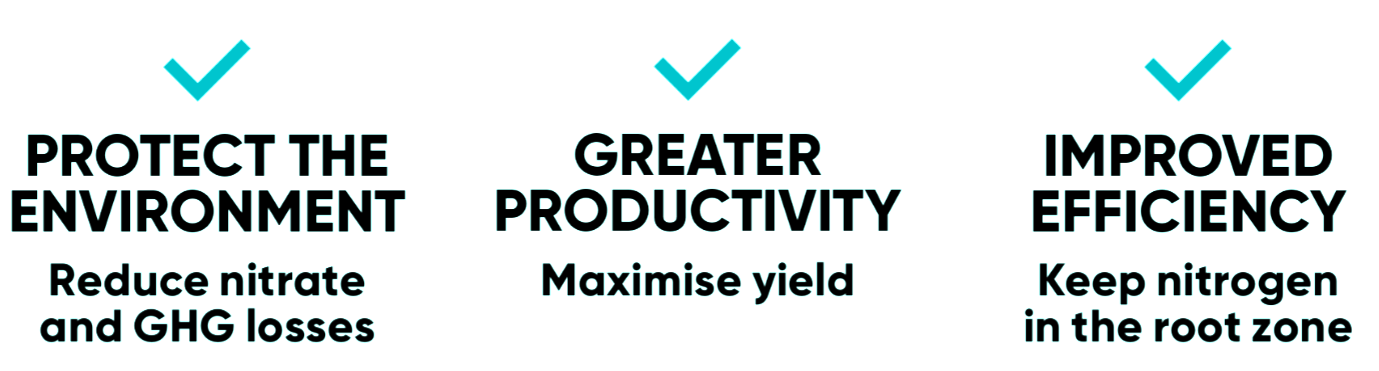
Arable growers are facing fresh challenges with rising nitrogen prices, making it more essential than ever to maximise nitrogen use efficiency on farm. One effective strategy is to consider the use of a nitrogen stabiliser, which can help ensure that every kilogram of nitrogen applied delivers optimal benefit to your crops.
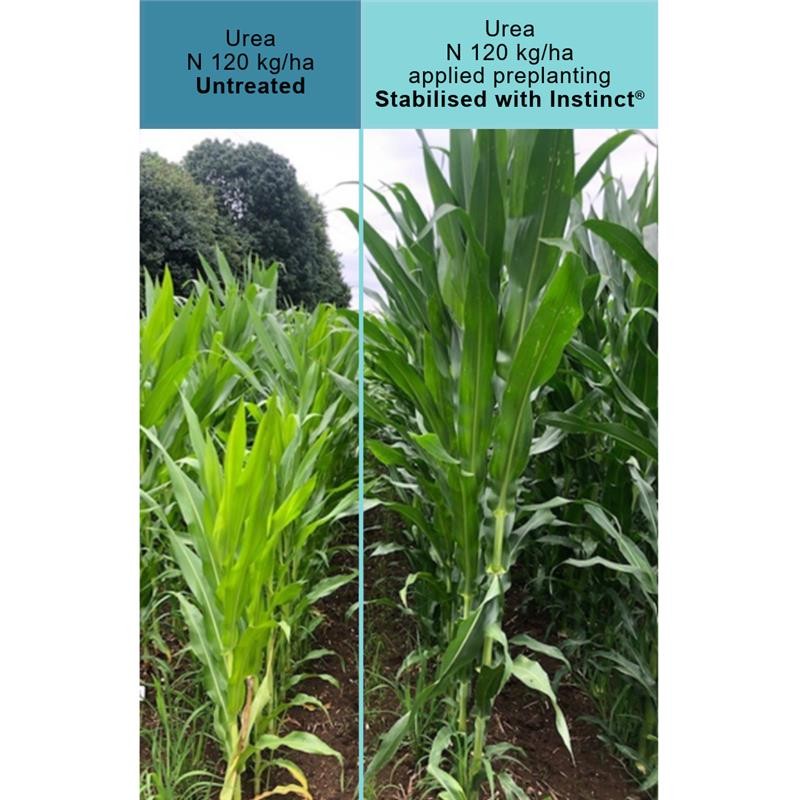
Instinct®, a nitrogen stabiliser containing Corteva’s unique Optinyte™ technology, is specifically designed to keep more nitrogen in the soil for longer. By slowing the conversion of ammonium to nitrate, Instinct helps to minimise nitrogen losses through leaching and denitrification, ensuring more remains available in the rooting zone. This not only supports healthy crop growth but also helps maintain yields, even if nitrogen application rates are reduced.
|
|
As maize planting starts and soil temperatures rise, the risk of nitrogen loss accelerates. Maize requires a steady supply of nitrogen throughout its growing season, and unpredictable spring weather - especially heavy rainfall on lighter soils - can increase the risk of losing valuable nutrients before the crop can utilise them. The application of Instinct helps keep nitrogen available for longer, supporting strong stem, leaf and cob development, and ultimately safeguarding yield potential.
Trials across the UK and Europe consistently show that using Instinct can result in yield increases of more than 10%, both in cob and overall plant size. This benefit is linked to improved nitrogen availability during the critical months from June to August.
|
|
|
|
Weed control priorities in sugar beet this spring
Sugar beet drilling is progressing well with dry conditions for soil work. Unfortunately, these same conditions are slowing crop growth and weed emergence. Where crops benefitted from recent scattered showers, growth will resume alongside weed emergence, which will be fast and weed pressure will then develop quickly.
Early applied residual-acting products will be under pressure to activate where yet to still catch a rain event. Consequently, weeds will start to slip through these treatments. The worst of these yield-robbing weeds include creeping thistle, volunteer potatoes and groundsel.
Shield Pro™ herbicide
Shield Pro offers control of volunteer potatoes, creeping thistle, groundsel, bindweed, mayweeds, smooth sow thistle and corn marigold. It should be included in later weed control applications, once conditions allow, to take out these difficult weeds.
Lessons from the dry 2025 season are shaping more resilient sugar beet weed control strategies for 2026, built on strong establishment, early action and flexibility.
Click here to read the full article on sugar beet weed control, which includes updates on Rinskor® active.
|

|
|
|
Potato planting progress and weed
management considerations
Potato planting is progressing well under favourable, but cool, soil conditions. More than half the crop has now been planted, and with little rain forecast for the coming week and stable weather conditions, the crop is expected to be planted in near-record time.
A smooth planting campaign should also give growers ample time to manage grading line dumps and any lingering volunteers in other crops, thereby minimising early-season late blight risk. In addition, it will ensure labour is available to tackle timely herbicide applications to the potato crop and getting the fungicide programme started in good time.
Focus on herbicides
In areas with fewer showers in recent days, a dry-planted ridge may not retain its shape, and pre-emergence herbicides applied in a seal on the ridge could be disrupted by gravity and wind, potentially allowing weeds to flourish once rainfall or irrigation occurs. This increases the likelihood of a greater weed flush, which could reduce the effectiveness of the pre-emergence herbicides typically relied upon.
Titus®, a contact acting herbicide, offers the perfect solution for these conditions. Containing rimsulfuron, it targets key problem weeds such as cleavers, chickweed, redshank, mayweed and oilseed rape volunteers as well as providing useful grass weed activity, including couch. Titus may be used across all varieties, but not seed crops, from 1st February pre-emergence up until the crop is 25 cm high. Titus should always be used with Vivolt adjuvant, an SC formulation, containing 90.0% w/w alkoxylated alcohols.
Application guidance for Titus herbicide
- Timing: Apply Titus when broad-leaved weeds are small and actively growing, typically from the cotyledon to four-leaf stage. For grasses, apply pre-tillering (two-to-three leaves).
- Compatibility: Titus can be used with metribuzin to broaden the weed control spectrum in metribuzin tolerant potato varieties.
- Dosage: Apply Titus at 50 g/ha when used alone, or 40-50 g/ha when mixed with metribuzin. Always use with Vivolt adjuvant.
|

|
|
|
Pioneer winter oilseed rape hybrid range
Our range of Pioneer® winter oilseed rape hybrids have been extensively tested across a variety of sites in the UK.
Available for 2026:
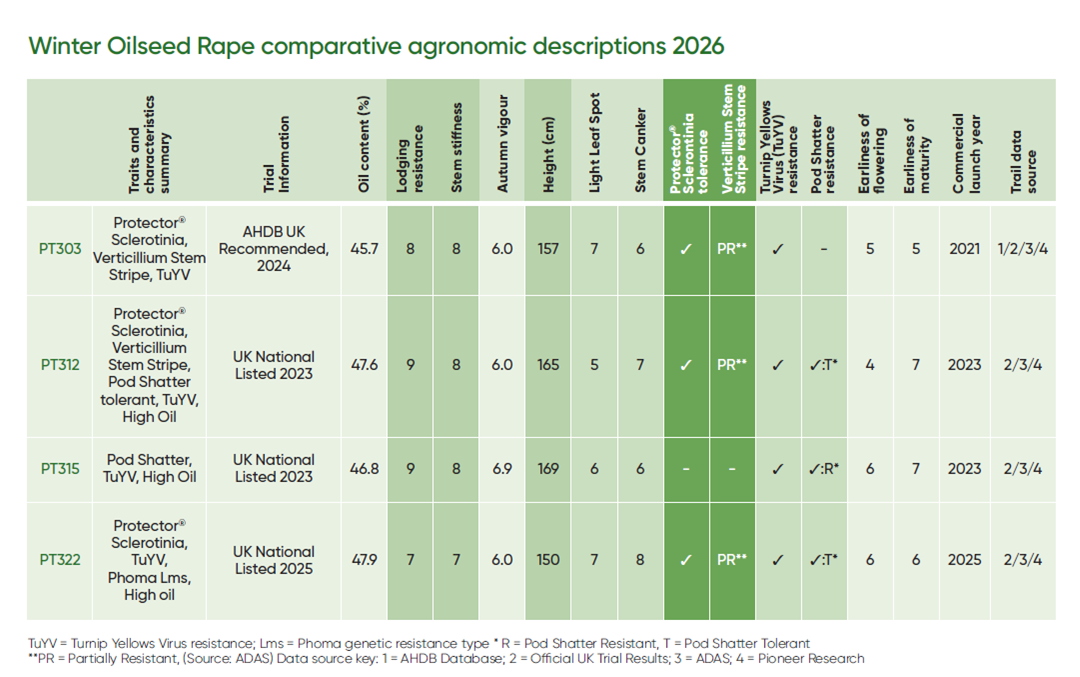
- PT303: The first hybrid to be marketed with built-in tolerance to Sclerotinia, that also has partial resistance to Verticillium Stem Stripe.
- PT312: Provides a high gross output yield with a very high oil content. It combines Protector® Sclerotinia tolerance with partial resistance to Verticillium Stem Stripe and Turnip Yellows Virus resistance.
- PT315: Provides a very high gross output yield with a very high oil content. It combines Pod Shatter resistance with Turnip Yellows Virus resistance.
- PT322: Our newest hybrid, which has a high gross output yield with a very high oil content. It combines Protector® Sclerotinia tolerance with Turnip Yellows Virus resistance and is Pod Shatter tolerant. It scores an 8 for Stem Canker resistance due to a combination of background genetic resistance and specific pathogen resistance.
|
|
The 2026 Pioneer winter oilseed rape portfolio delivers a clear choice of reliable, high‑performing hybrids to suit diverse UK growing conditions. With proven genetics, it offers confidence for the season ahead.
For further information about Pioneer oilseed rape hybrids, visit the Pioneer hub or take a look at the agronomic descriptions table above here.
|

|
|
|
News and views from the Corteva Team
Events
We're gearing up for Cereals 2026 at Diddly Squat Farm, where we'll be sharing our latest innovations and expert advice.
With just eight weeks to go, the official crop plot day gave us a great snapshot of progress and everything is shaping up for a fantastic two days.
Register for your ticket here and read the full article to see what we’ve got planned.
|
|
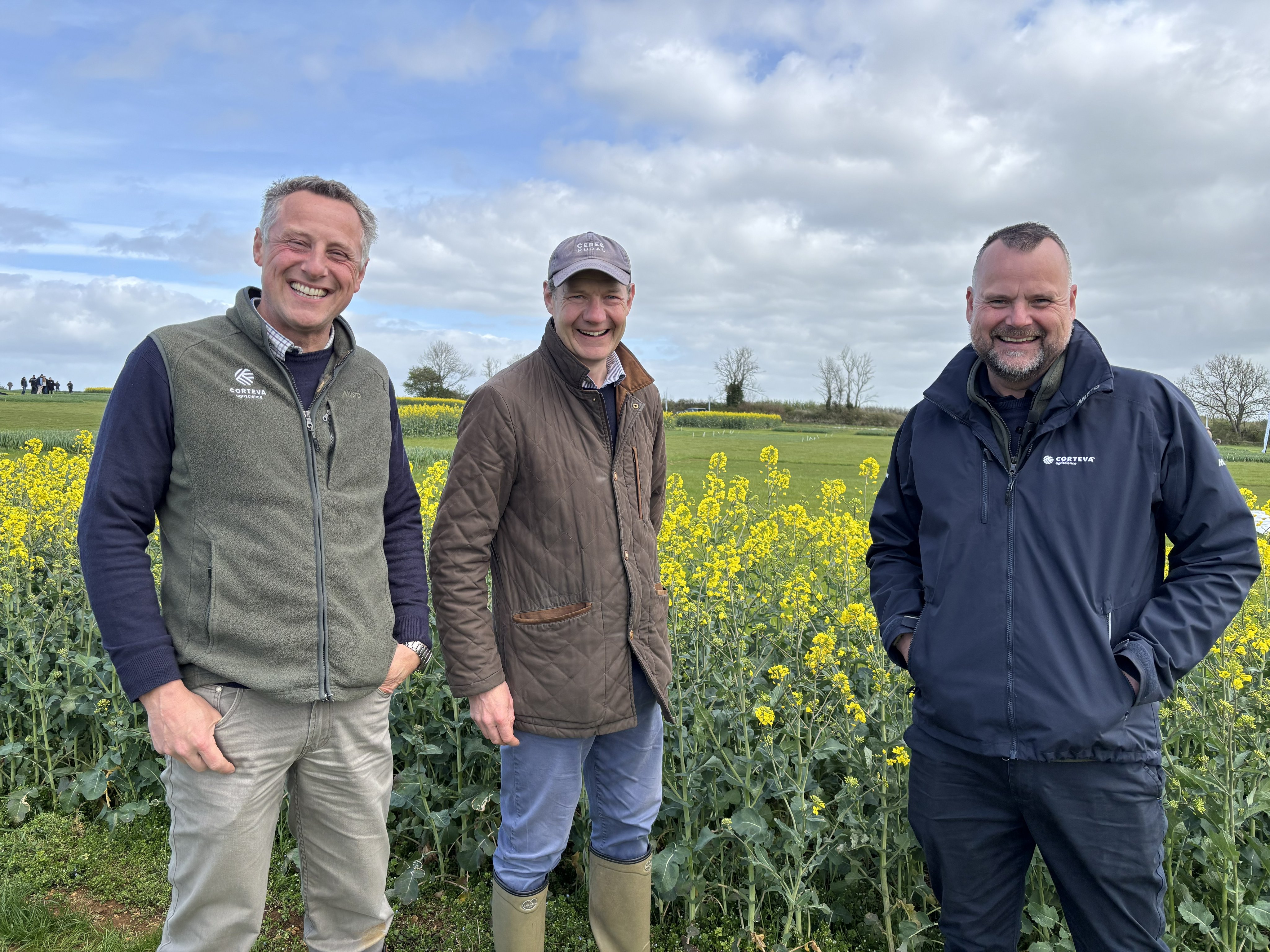
Photo: Alex Nichols, Corteva Marketing Manager, Charlie Ireland, Managing Partner, Ceres Rural (Cereals Event Agronomy), Joe Martin, Corteva Field Technical Manager.
|
Team Corteva
Huge congratulations to Grace Isaacs, our Technical Services Assistant, on passing her BASIS Certificate in Crop Protection. An outstanding achievement alongside her day job, and a brilliant way to mark two years with Corteva!
|

|
International Day of Zero Waste
On 30 March, we celebrated International Day of Zero Waste by reflecting on reducing waste in agriculture.
Crop loss caused by pests, disease and weeds does not just impact yield. It represents wasted water, wasted inputs and wasted effort. Effective, science-led crop protection helps farmers safeguard what they grow, reducing losses before they become food waste further down the value chain.
Modern crop protection technologies are designed with precision in mind. Targeted solutions, improved formulations and stewardship programmes support responsible use while helping farmers produce more from every hectare.
At Corteva, advancing sustainable agriculture means improving productivity and efficiency at the same time, as protecting crops is also about protecting resources.
|
|
|
|
|
|
Want to hear more from us?
Update your preferences and tailor your choices to make sure you receive the communications that are right for you. Don't forget to enter into our monthly prize draw by ticking the box before submitting to be in with the chance to win!
You can also stay in the loop with all the latest updates by following @CortevaUK on X and Facebook.
|
|
|
Get in touch with our hotline team
|
CPD points
Subscribing to Corteva Agriscience's Arable Update gives eligibility for 2 CP BASIS points and/or 2 NRoSO points and/or 2 CP points for those who are part of the BASIS Environmental Advisors Register (EAR) annually.
|
USE PLANT PROTECTION PRODUCTS SAFELY. Always read the label and product information before use. For further information including warning phrases and symbols refer to label. ®, ™ Trademarks of Corteva Agriscience and its affiliated companies. All other brand names are trademarks of other manufacturers for which proprietary rights may exist. All manufacturers tradenames and trademarks are duly acknowledged. © 2026 Corteva. Univoq™ contains fenpicoxamid and prothioconazole. Inatreq™ active contains fenpicoxamid. Arylex™ active contains halauxifen-methyl. Zypar® contains florasulam and halauxifen-methyl (Arylex™ active). Pixxaro® EC contains fluroxypyr and halauxifen-methyl (Arylex™ active). BlueN™ contains Methylobacterium symbioticum. Kinsidro® Grow+ contains Fulvic Acid, Humic Acid, Potassium Oxide (10%) Sodium Oxide (3.75%) Sulfur Trioxide (6.25%) Boron (0.04%) Cobalt (0.04%) Copper (0.04%) Manganese (0.04%) Molybdenum (0.005%) Zinc (0.05%). Instinct® contains nitrapyrin. Shield Pro™ contains clopyralid. Titus® contains rimsulfuron.
 | | | | |