|
In the March edition:
- Timely weed control key as cereals move into spring growth
- The Tillage Podcast - short stint at fieldwork and a recap on weed control
- Protecting spring nitrogen as soils warm
- Managing early-season rust and septoria in cereals
- Experts urge growers to rethink fungicide programmes as resistance risks rise
- Pioneer WOSR line-up for 2026
- News and views from the Corteva team
- Update your communication preferences, enter our monthly prize draw, plus ways to earn IASIS points
|
|
|
Timely weed control key as cereals
move into spring growth
Now winter cereals are moving, weed control becomes ever more important. Grass weeds should be tackled early, before they become too large.
Where not yet applied, pyroxsulam‑based herbicides should be used. Products such as Manhattan®, plus an authorised adjuvant, offer reliable grass weed control in winter wheat, alongside a broad spectrum of broad‑leaved weeds. Treat when small and weeds are actively growing, avoiding prolonged cold conditions.
Managing broad-leaved weeds in spring cereals:
Spring cereals are now being drilled and are exposed to different weed challenges than winter cereals. Spring‑germinating species such as fat hen, orache, black bindweed and polygonums are increasingly common, while cleavers, groundsel, fumitory and chickweed can also significantly impact yield if left unmanaged.
Robust and flexible herbicide programmes are essential at this busy time. Arylex™ provides a strong foundation for spring cereal weed control, delivering high efficacy, application flexibility, excellent crop safety and no following crop restrictions. Its unique mode of action enables control of a wide range of difficult broad‑leaved weeds, including cleavers, fumitory, fat hen and ALS‑resistant poppy.
Pixxaro® and Zypar®, both containing Arylex, can be applied up to GS45 in winter and spring cereals. Dose rate flexibility allows programmes to be tailored to target species and conditions. Zypar offers enhanced activity on brassicas through the inclusion of florasulam, while Pixxaro is particularly effective on ALS‑resistant chickweed due to its fluroxypyr content.
In spring barley, the addition of an SU partner containing thifensulfuron‑methyl and metsulfuron‑methyl can further strengthen control of polygonums, umbellifers and brassica species.
|
|
|
The Tillage Podcast - short stint at fieldwork
and a recap on weed control
Tune in to this week's exciting episode of the Irish Farmers Journal's Tillage Podcast, which features an interview about spring herbicides with Corteva's Category Manager for Cereals Herbicides, Alister McRobbie. This episode also covers a range of topics including prioritising jobs in the field, spring sowing, markets, the tillage payment and more!
|
|
|
|
Protecting spring nitrogen as soils warm
With spring nitrogen applications underway, attention is turning to how best to protect fertiliser investment and maximise nitrogen use efficiency.
As temperatures rise, ammonium nitrogen is rapidly converted to nitrate, increasing the risk of leaching and gaseous losses particularly where rainfall follows application. This not only reduces the amount of nitrogen available to the crop but can also undermine efforts to use nitrogen responsibly and efficiently.
Ensuring supply of nitrogen aligns to the crop demand is an important part of managing nitrogen use.
Instinct® is a nitrogen stabiliser designed to help keep nitrogen in the soil and available to the crop for longer during this high‑risk spring period.
Nitrogen demand in cereals, oilseed rape and maize rises rapidly during early spring growth stages. At the same time, warmer soils stimulate nitrification, converting ammonium into nitrate, which is far more vulnerable to loss.
Instinct works by slowing this conversion for around 10-12 weeks, helping retain nitrogen in the ammonium form where it is less prone to leaching and denitrification and more available in the root zone for uptake by the plants. This is particularly relevant:
- Where early nitrogen is applied ahead of rapid crop uptake
- On light or free‑draining soils
- In seasons with unsettled spring rainfall
Across a wide range of crops and conditions, Instinct has consistently shown yield benefits by improving nitrogen availability during key growth periods.
UK and European trial data show:
- Yield benefits in cereals, oilseed rape and maize
- Improved performance where nitrogen losses would otherwise limit uptake
- Protection of yield where nitrogen inputs are reduced
Instinct offers a way to protect applied nitrogen at a time when risk of loss is increasing. By keeping nitrogen available in the soil for longer, Instinct helps crops access more of what is applied, supporting yield potential while reducing environmental losses.
|
|
|
Managing early-season rust and septoria in cereals
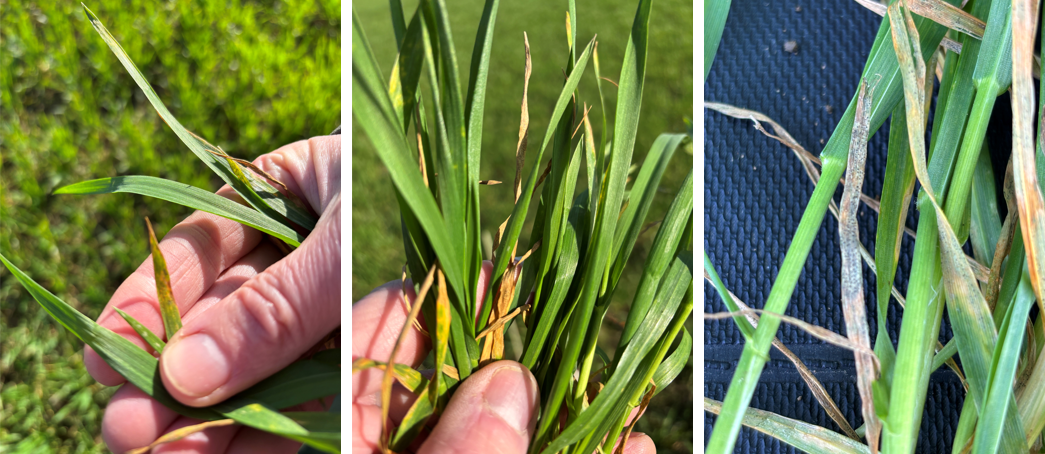
As we emerge from winter and into spring, on the whole, crops still look full of potential, but septoria and yellow rust are evident in many fields and could put crops at risk. Therefore, attention needs to be given to a robust, effective programme to ensure the good current crop potential makes its way through to harvest.
A T0 with attention particularly to yellow rust, given the prevalence of the YR15 rust strain, and the significant crop area drilled with varieties with compromised varietal resistance, should be strongly considered.
Following this, and assuming periods of wet weather remain with us until mid-April (at least), a robust T1 will be required to tackle the dual threat of septoria and yellow rust. Questar™ is an ideal product for this task - containing Inatreq™ active, a market-leading active with no known disease resistance to it, coupled with a strong partner product, which has strong rust activity.
Under high disease pressure, Questar applied at 1.5-1.75 l/ha with a partner at T1 will offer robust disease control. Should your T2 be delayed, Inatreq active persistence offers long-term control of septoria, providing peace of mind in the event of an extended spray interval to GS39.
Folpet should always be included at T1 and T2, as part of your resistance management strategy.
|
|
|
|
|
NEWS: Experts urge growers to rethink
fungicide programmes as resistance risks rise
New independent disease modelling has reinforced the need for winter wheat growers to diversify fungicide programmes to help slow the development of resistance.
Long‑standing reliance on SDHI and azole chemistry at key spray timings has reduced sensitivity in septoria populations, prompting experts to warn that continuing with the same approaches could shorten the effective life of these actives.
Fresh modelling from ADAS shows that introducing fungicides with different modes of action, including replacing one SDHI application with a picolinamide, can significantly extend SDHI longevity whilst maintaining strong disease control and the yield potential of the crop. Adding a multi-site further enhances this effect.
The findings highlight how small adjustments to fungicide programmes can have a major impact on resistance management and long‑term performance in wheat.
|
|
|
|
|
|
Pioneer® WOSR line-up for 2026
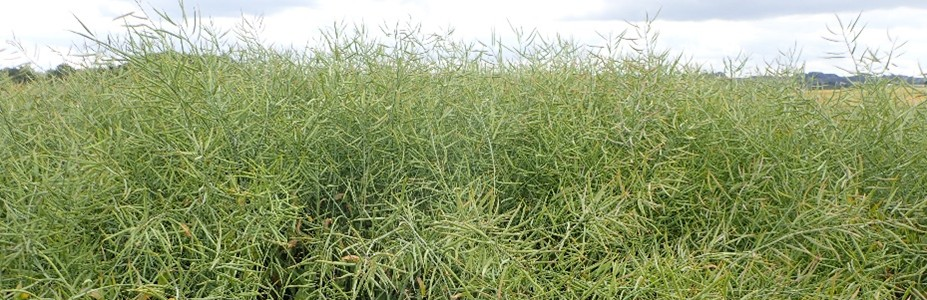
For 2026, the Pioneer winter oilseed rape portfolio is built around four proven hybrids and an exciting new expanded hybrid range. Each hybrid provides a distinct combination of yield potential, disease resilience and oil content to suit a wide range of Ireland and UK growing conditions.
PT303 is the first hybrid to be marketed with Protector® Sclerotinia tolerance with partial resistance to Verticillium stem stripe. With strong autumn vigour and TuYV resistance, it is designed to support reliable establishment and consistent performance where high late season disease pressure is a key concern.
|
|
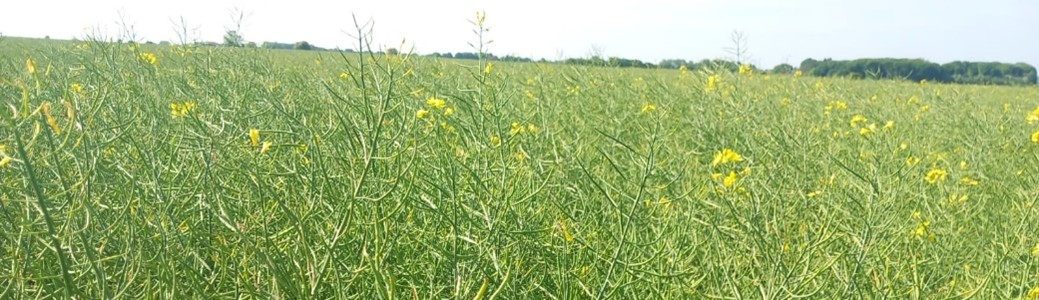
PT312 delivers very high gross output potential with a high oil content. It combines Protector Sclerotinia tolerance, pod shatter tolerance, turnip yellows virus resistance and partial resistance to Verticillium stem stripe. PT312 gives the grower a strong all‑round package that targets both yield and oil bonus opportunities.
|
|
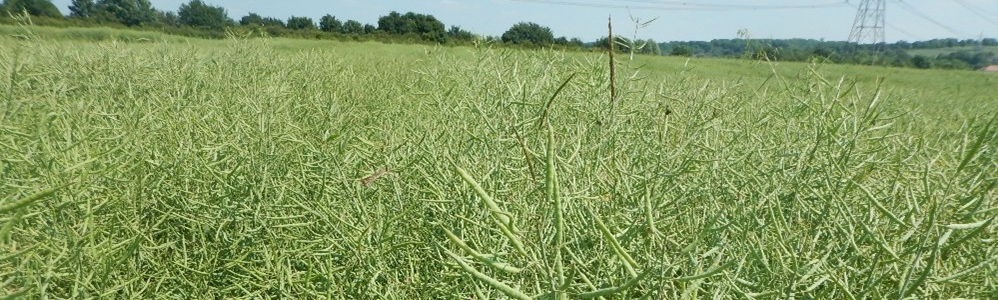
PT315 offers a robust agronomic profile with pod shatter resistance, TuYV resistance and high oil content. With excellent autumn vigour and a consistent output, PT315 provides a dependable option across a range of Ireland drilling and harvest conditions.
|
|
PT322 has a high gross output yield with a very high oil content – the highest in the Pioneer range. It combines Protector Sclerotinia tolerance with turnip yellows virus resistance and is pod shatter tolerant. PT322 scores an 8 for stem canker resistance due to its combination of broad background genetic resistance and specific LmS genetic resistance.
|

|
The 2026 Pioneer WOSR portfolio delivers a clear choice of reliable, high‑performing hybrids to suit diverse growing conditions. With proven genetics and a strong new addition, it offers confidence for the season ahead.
|
|
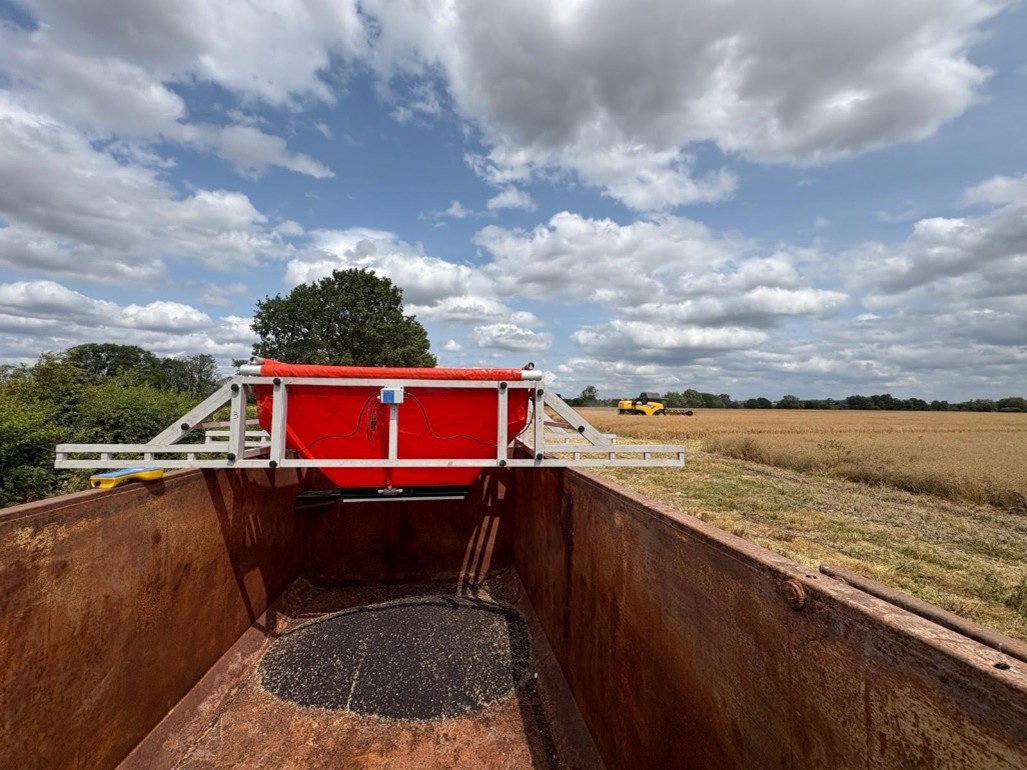
Pictured: A Bag Weigher used for WOSR PACTS trials. Combine discharges are weighed using the electronic console, a grain sample is taken for moisture and oil analysis, and the grain is then released from the bag into the farmer's trailer.
|
|
|
|
|
News and views from the Corteva Team
Events
We're looking ahead to April and GRASS 2026 in Cuffesgrange, Co Kilkenny, where we look forward to meeting even more growers, agronomists and colleagues from across the agricultural industry. If you're attending the event, be sure to stop by and say hello - we're excited to continue the conversations, hear your thoughts and answer any questions.
Find out more about the event and get your tickets here.
|

|
International Women's Day
This month we celebrated International Women’s Day by launching a dedicated webpage showcasing the achievements and experiences of women across Corteva. The page shares a series of insightful conversations with colleagues from across the UK - sharing their stories and inspiring others throughout the industry.
|

|
|
|
|
|
|
Want to hear more from us?
Update your preferences and tailor your choices to make sure you receive the communications that are right for you. Don't forget to enter into our monthly prize draw by ticking the box before submitting to be in with the chance to win!
You can also stay in the loop with all the latest updates by following @CortevaIE on X and Facebook.
|
|
|
Ways to stay in touch
Area Manager and National Technical Manager: Liz Glynn, 00353 (86) 844 5306. Visit our website www.corteva.com/ie for product information, labels and advice.
Our hotline team are also on hand to answer any queries or concerns you have.
|
10 IASIS points will be awarded to those subscribing to this Agronomy Update.
|
USE PLANT PROTECTION PRODUCTS SAFELY. Always read the label and product information before use. For further information including warning phrases and symbols refer to label. ®, ™ Trademarks of Corteva Agriscience and its affiliated companies. All other brand names are trademarks of other manufacturers for which proprietary rights may exist. All manufacturers tradenames and trademarks are duly acknowledged. © 2026 Corteva. Manhattan® contains halauxifen-methyl, florasulam and pyroxsulam. Arylex™ active contains halauxifen-methyl. Pixxaro® EC contains fluroxypyr and halauxifen-methyl (Arylex™ active). Zypar® contains florasulam and halauxifen-methyl (Arylex™ active). Instinct® contains nitrapyrin. Questar™ contains fenpicoxamid. Inatreq™ active contains fenpicoxamid.
 | | | | |